

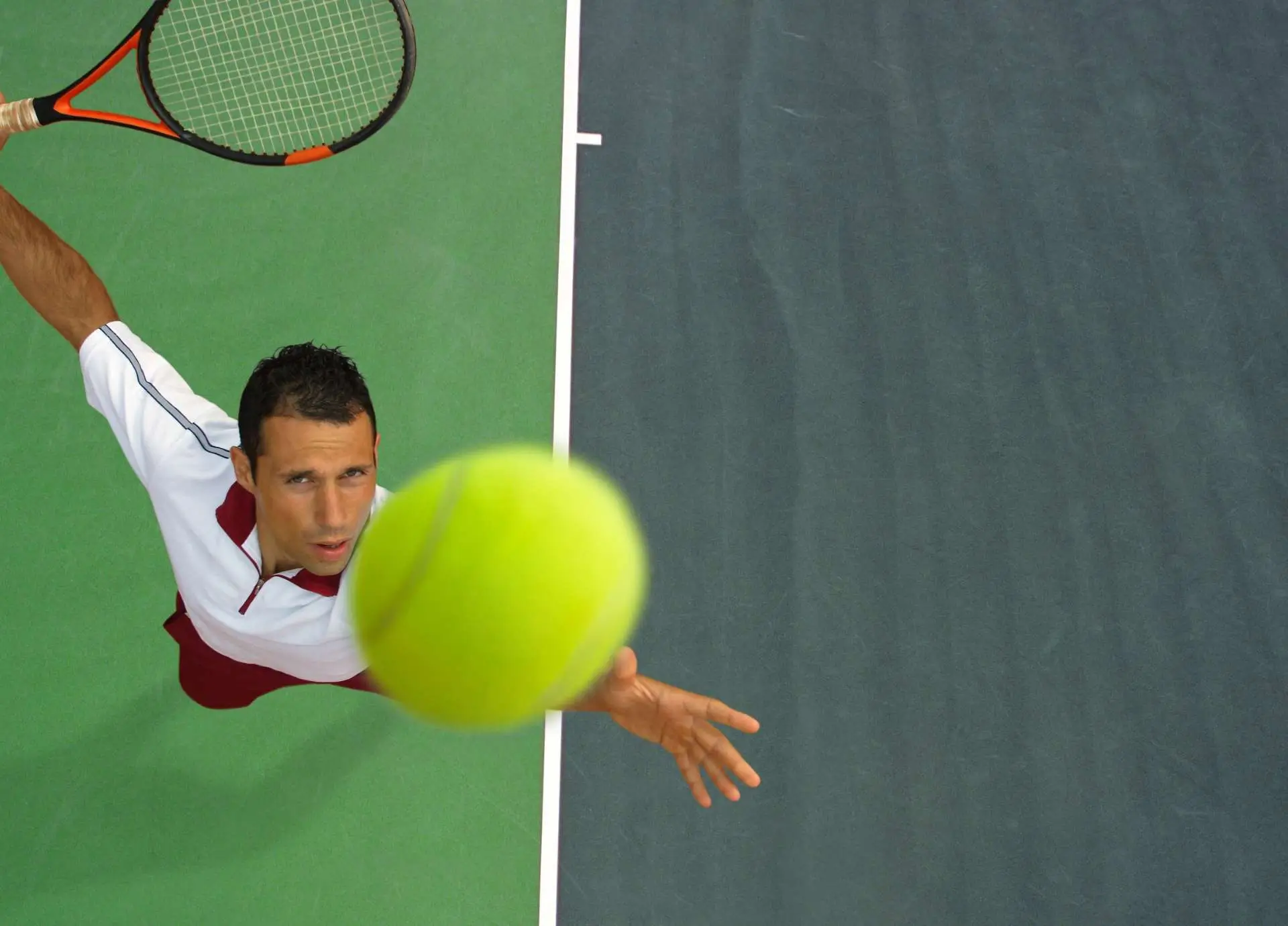
Federer wasn’t just a master of technique — he mastered the mind. One of his secrets? Visualization. Learn how to coach your athletes to harness this mental tool like champions do.
Why Visualization Works in High-Stakes Sport
Long before the match begins, elite athletes have already seen it — the serve, the return, the win.
Visualization primes the brain and body to perform at a higher level. It builds familiarity, confidence, and control — without physical strain.
When done right, it:
- Activates neural pathways as if the movement is real.
- Lowers anxiety by increasing readiness.
- Creates a mental “blueprint” for peak execution.
What Coaches Often Miss About Visualization
Many coaches assume visualization is just “imagining the win.” But that’s not enough.
True performance visualization is multi-sensory, structured, and repeated. It isn’t about fantasy — it’s about building a mental playbook.
Step-by-Step: How to Teach Visualization Like Federer
Step 1: Ground the Athlete First
Before any mental training, bring them to the present.
Have them close their eyes, take 3–5 deep breaths, and become aware of their body. The nervous system must be calm before focused imagery begins.
Step 2: Replay Success, Not Just the Outcome
Ask the athlete to recall a moment of excellence. It could be a match-winning serve or a perfect tackle.
Guide them to visualize:
- What they saw.
- What they heard.
- What they felt in their body.
- What emotion followed.
Federer often visualized not just the trophy — but the movement, the moment, and the mental state that created success.
Step 3: Pre-Play the Upcoming Match
Now switch to the future. Ask them to imagine:
- Entering the court or field.
- Their warm-up routine.
- The first decisive moment.
Have them walk through their strategy, body language, and reactions — as if it’s already happening.
Step 4: Anchor It to a Cue
Attach the visualization to a simple anchor — a breath, a word, a gesture — so they can tap into the state during the match.
Over time, this creates fast mental access to calm, confidence, and clarity.
Case Study: Building Confidence in a Young Striker
Jamal, a 17-year-old football striker, struggled with pre-game anxiety. His coach began using visualization every Friday.
They visualized:
- Jamal’s opening sprint.
- His positioning.
- Celebrating a clean goal.
Within weeks, Jamal reported feeling “already prepared” before kickoff — and his goal rate jumped.
The coach didn’t just boost confidence. He trained anticipation, timing, and readiness.
Tips for Coaches: Making Visualization a Habit
- Pair it with physical routines (stretching, warm-up).
- Use it in team sessions — create a shared visualization.
- Keep recordings or scripts for athletes to use at home.
- Always debrief — ask what they saw, felt, and learned.
🚀 Turn Knowledge Into Results Starting Today
Visualization is one of the most underrated — yet powerful — tools in your coaching toolkit. In the Sports Mental Coaching Certification, you’ll learn how to structure mental training routines that boost focus, reduce anxiety, and build elite mindset skills.
Ready to bring mental clarity to the field?
👉 Join the next certification round: Sports Mental Coaching Certification