

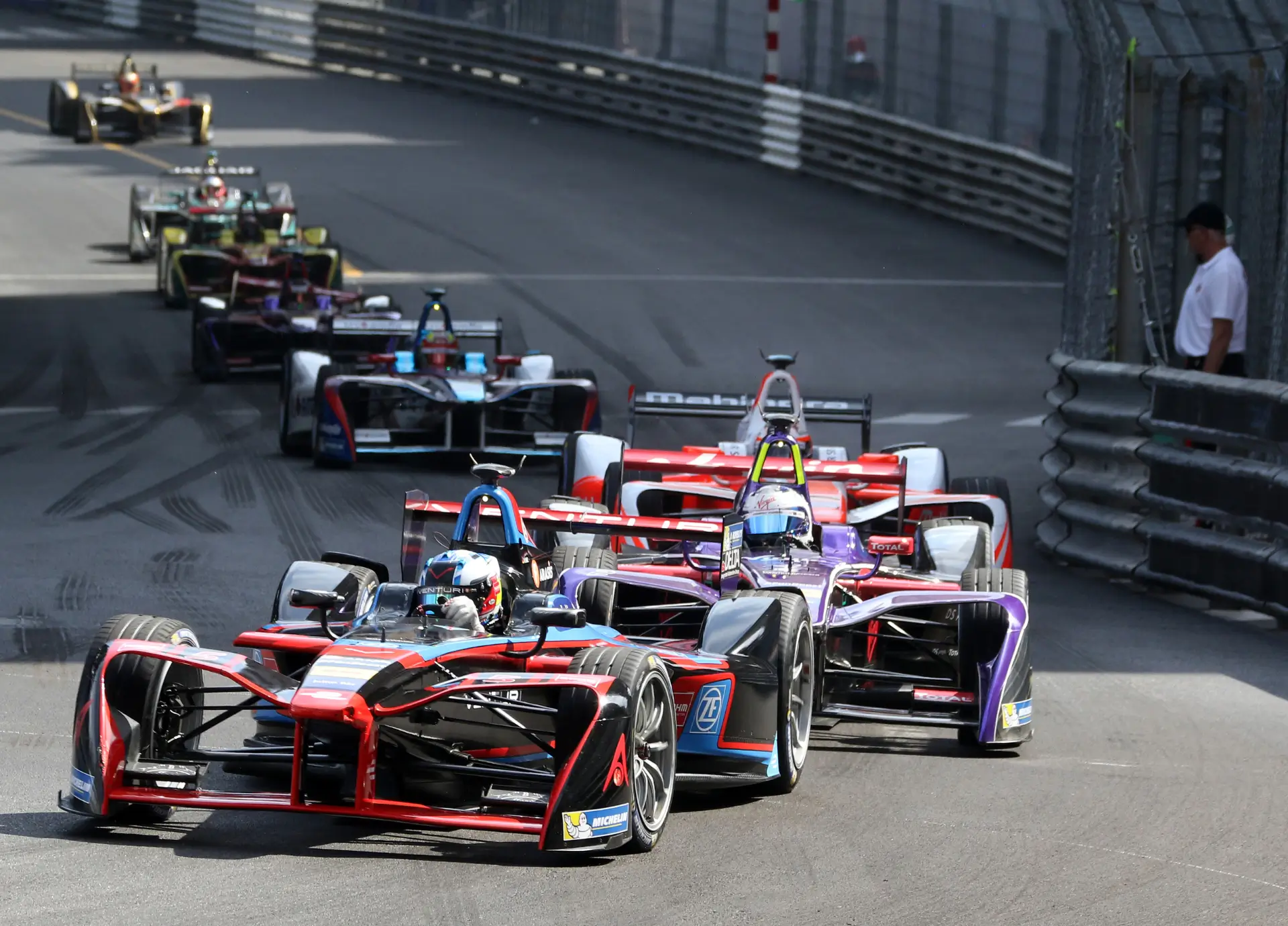
A Formula One driver operates in an environment where decisions are made at more than 300 km/h. The performance often associated with Max Verstappen highlights how mental discipline and precision thinking influence elite race craft.
For athletes in any sport, this example offers a powerful lesson: the difference between speed and control is rarely physical — it is mental.
Introduction
In the Formula One World Championship, drivers operate at the absolute edge of human capability. Reaction time, spatial awareness, and strategic thinking must combine seamlessly while the body is exposed to extreme physical forces.
Among the current generation of drivers, one competitor has become widely recognized for remarkable race craft — the ability to control positioning, timing, and overtaking decisions under intense pressure. Observers often focus on technical skill or natural talent, yet a deeper look reveals something else: exceptional mental discipline.
Every lap requires dozens of rapid decisions. When to attack. When to defend. When to wait.
For athletes in any discipline, this type of high-speed decision environment provides a fascinating case study in mental performance.
The Mental Challenge Behind the Performance
Formula One places athletes in one of the most cognitively demanding environments in sport.
At racing speed, a driver processes an enormous amount of information simultaneously:
- Corner entry speed
- Tire grip and degradation
- Car positioning
- Opponent behaviour
- Track evolution
- Strategy instructions from the team
All of this occurs while the driver experiences extreme physical load. G-forces can reach levels that make breathing difficult, yet the mind must remain calm and analytical.
One mistake can end a race instantly.
This creates a constant tension between aggression and restraint. Drivers must push the car to its limit while maintaining absolute clarity of thought. Emotional reactions — frustration, impatience, or panic — can quickly lead to poor decisions.
The real challenge is therefore not speed alone.
It is maintaining disciplined thinking while operating at maximum intensity.
What Makes This Athlete Mentally Strong
One characteristic often visible in this driver’s race craft is controlled decisiveness.
Rather than reacting impulsively, decisions appear structured and calculated. Overtakes are often prepared several corners in advance. Positioning is adjusted gradually before the decisive moment arrives.
This behaviour suggests several key mental qualities.
Anticipation
Elite drivers constantly predict what will happen next. They observe subtle patterns in an opponent’s driving line or braking behaviour and use that information to prepare future moves.
Emotional stability
In close racing situations, many athletes experience a surge of adrenaline that disrupts decision-making. Maintaining composure allows a driver to remain precise rather than reactive.
Situational awareness
The best drivers think beyond the current corner. They see the race as a dynamic system — tire wear, fuel load, traffic, and strategy windows all interact.
This wider perspective prevents tunnel vision and supports smarter tactical decisions.
A Key Moment That Shows This
One of the clearest demonstrations of elite race craft appears during overtaking manoeuvres.
To the casual observer, an overtake may seem sudden — a late braking move into a corner. In reality, the move often begins much earlier.
The driver may intentionally sacrifice a small amount of speed in one corner to improve positioning for the next straight. Slight pressure on the opponent can force a defensive line, compromising their exit speed. Over several corners, the gap gradually closes.
Then the opportunity appears.
What looks like instinct is actually the result of disciplined mental preparation and patience.
The athlete does not simply react to the moment. The moment has been constructed.
This pattern illustrates a powerful mental principle: elite performers shape situations rather than waiting for them.
What Coaches and Athletes Can Learn
Although most athletes will never experience the extreme environment of Formula One, the mental principles behind this performance are universal.
- Decision-making improves with preparation
High-level decisions rarely happen spontaneously. The athlete prepares scenarios in advance, mentally rehearsing possible outcomes.
This is true in tennis rallies, football transitions, or tactical moments in combat sports.
- Patience creates opportunity
Many athletes lose performance by acting too early. They attempt the decisive action before the situation is ready.
Elite performers often wait longer — observing, gathering information, and then committing fully.
- Emotional control protects precision
Pressure amplifies emotional reactions. Without regulation strategies, athletes may become impulsive or overly cautious.
Disciplined breathing, focus cues, and routine help maintain clarity.
- Situational awareness beats narrow focus
Athletes sometimes concentrate only on the immediate action — the next pass, shot, or move.
The strongest performers maintain a wider tactical perspective. They understand the flow of the competition.
- Confidence grows from repetition
Calm decision-making under pressure is rarely accidental. It develops through thousands of repetitions in training environments that simulate competition stress.
For coaches, this means creating practice situations where athletes must make decisions, not just execute technique.
Key Takeaways
- Elite race craft is primarily a mental discipline, not just a technical skill.
- High-speed decision making requires emotional stability and structured thinking.
- The best athletes prepare situations before acting, rather than reacting impulsively.
- Patience and anticipation are critical components of precision under pressure.
- Coaches can develop these skills by integrating decision-making into training.
🚀 Develop Elite Mental Discipline
Precision decision-making under pressure can be trained — just like physical skill.
Private coaching helps athletes strengthen focus, emotional control, and competition mindset.