


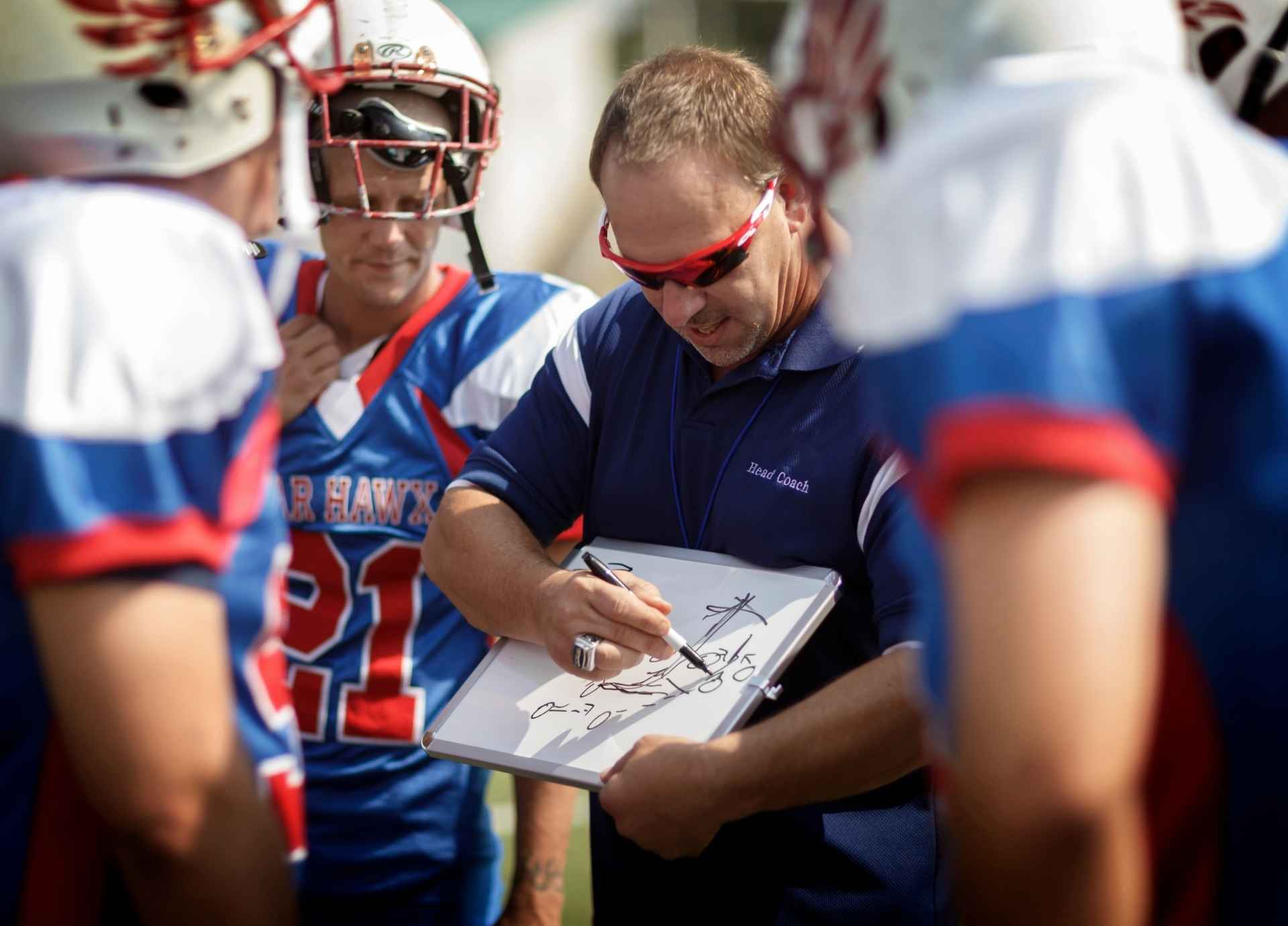
You’re in the middle of a match. One mistake turns into two. Your focus? Gone. Your rhythm? Lost. Your confidence? Slipping. What do you do?
The Performance Spiral: When One Error Becomes Many
Every athlete knows the feeling. A missed pass, a failed serve, a dropped routine — and suddenly your brain spirals.
You try harder. Think more. Over-correct. But nothing works. Because what you really need isn’t more effort — it’s a reset.
The Sentence That Switches You On: Build Instant Mental Readiness
The 10-Second Reset Tool
This technique is simple, but powerful. In just 10 seconds, it interrupts the downward spiral, brings you back to the present, and re-centers your attention.
Step 1: Physical Reset
Take one deep breath. Loosen your body. Release tension in shoulders, hands, and jaw.
Step 2: Mental Command
Use a trained focus phrase: “Right here.” “Next point.” “I’m back.”
Step 3: Visual Target
Fix your eyes on a neutral object — your hand, the field line, the ball. Lock in.
Step 4: Return to Action
Step into your ready stance. Let go of the last moment. Move forward.
Why It Works
The reset cuts through emotional clutter. It replaces reaction with action. And it’s fast — no need for a full break or timeout.
By anchoring your nervous system and cognitive focus, this technique gives you the fastest path back to optimal performance.
Athlete Example: From Collapse to Control
A junior tennis player used to lose 3–4 games in a row after one error. After learning the 10-second reset, she used it every time she missed a return. Her body stayed loose. Her eyes stayed sharp. Her confidence stayed stable. She started winning again — not because she played perfect, but because she stopped spiraling.
Tips for Coaches
- Practice this reset in training, not just games
- Build it into routines after errors, timeouts, or transitions
- Use consistent cues and body language to make it automatic
Mistakes to Avoid
- Skipping the physical part — tension lingers in the body
- Using vague phrases — be clear and concise
- Only using it after major mistakes — small resets prevent big ones
Final Thought: Don’t Chase Focus — Reset It
You won’t always be in perfect rhythm. But you can train yourself to get back faster. And that skill might win more matches than any technical tweak.
The Inner Anchor: How One Word Can Ground You Before Pressure Moments
🔑 Learn the Reset Tools That Keep Athletes Mentally Ready
In the Sports Mental Coaching Certification, you’ll learn how to build short, sharp reset strategies that keep athletes focused and in control.