


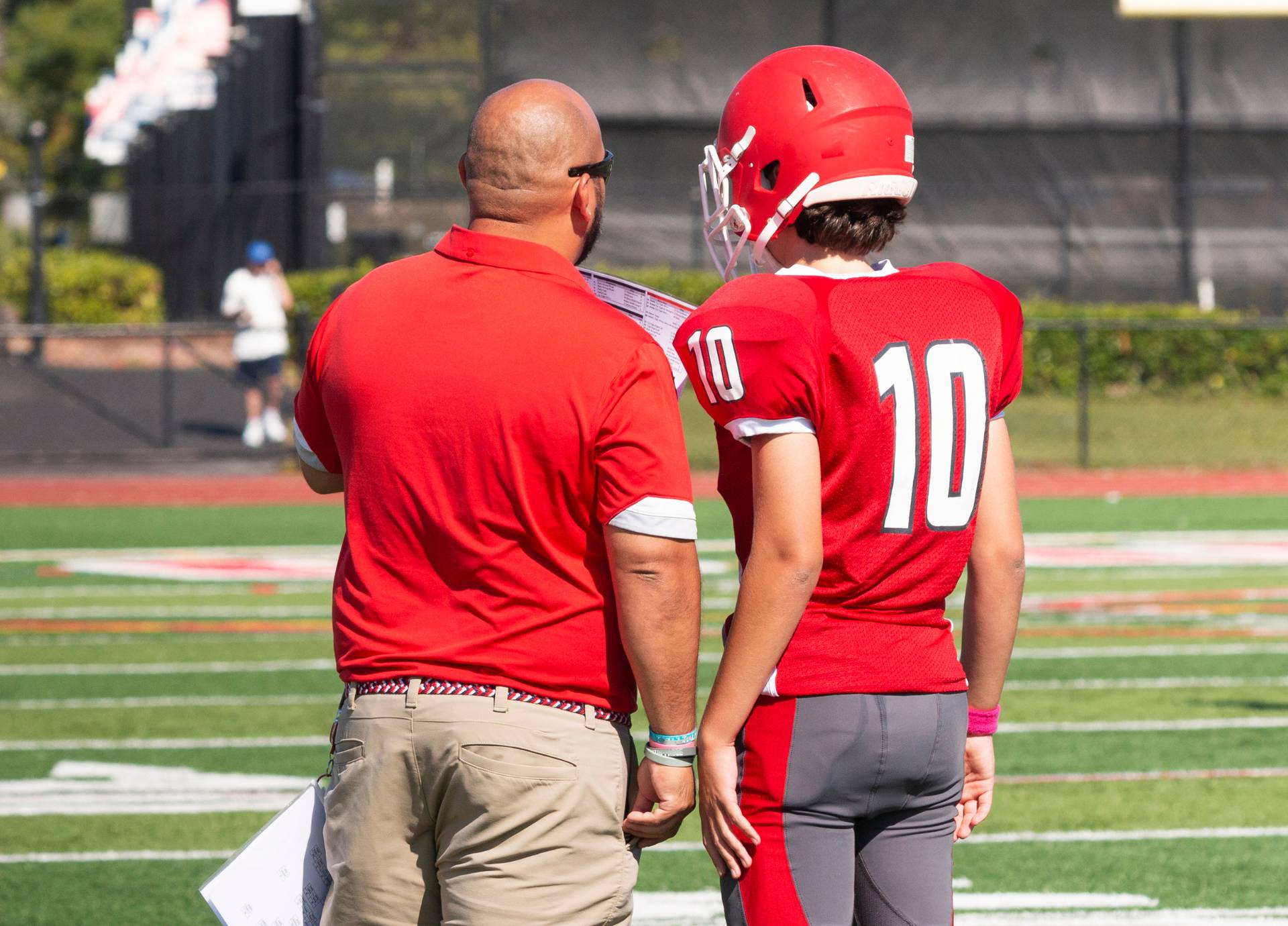
You don’t need a separate session to develop mental strength. You just need a smarter way to coach.
The Myth: Mental Training Takes Extra Time
Most coaches want to include more mental coaching — but feel like they don’t have the time.
Here’s the truth: mental training isn’t a separate practice.
When done right, it blends seamlessly into what you already do.
You don’t need an extra hour. You just need a mental lens on your drills.
Simple Ways to Embed Mental Tools Into Everyday Practice
These strategies make mental training part of the routine — not a burden.
1. Start With a Focus Cue
Begin each session with a mental anchor.
Example: “Today’s mindset: stay present, one rep at a time.”
💡 It primes the brain for self-regulation from the start.
2. Use Pressure Drills Intentionally
Don’t just increase difficulty — add meaning.
Say: “This drill simulates the last minute of a close match. Let’s manage the nerves now.”
Link the moment to real competition.
3. Debrief With Reflection Questions
After drills, ask:
- “What thought helped you stay calm?”
- “What threw off your focus?”
- “What did you learn about yourself?”
Reflection is mental training.
4. End With Identity Cues
Close the session reinforcing the athlete’s self-image.
Example: “You trained like a pro today — effort, focus, recovery. That’s championship behavior.”
Mental tools shape belief — and belief drives performance.
Mental Coaching Isn’t Extra — It’s Essential
It’s not about adding more. It’s about coaching more intentionally.
Every session becomes a chance to build resilience, confidence, and focus — just by changing your language and perspective.
🤝 Let’s Build Your Mental Edge Together
Want to master the integration of mindset and movement?
The Sports Mental Coaching Certification gives you a practical system to elevate every training — without adding to your schedule.
Train smarter. Coach stronger.
👉 Start your Sports Mental Coaching journey