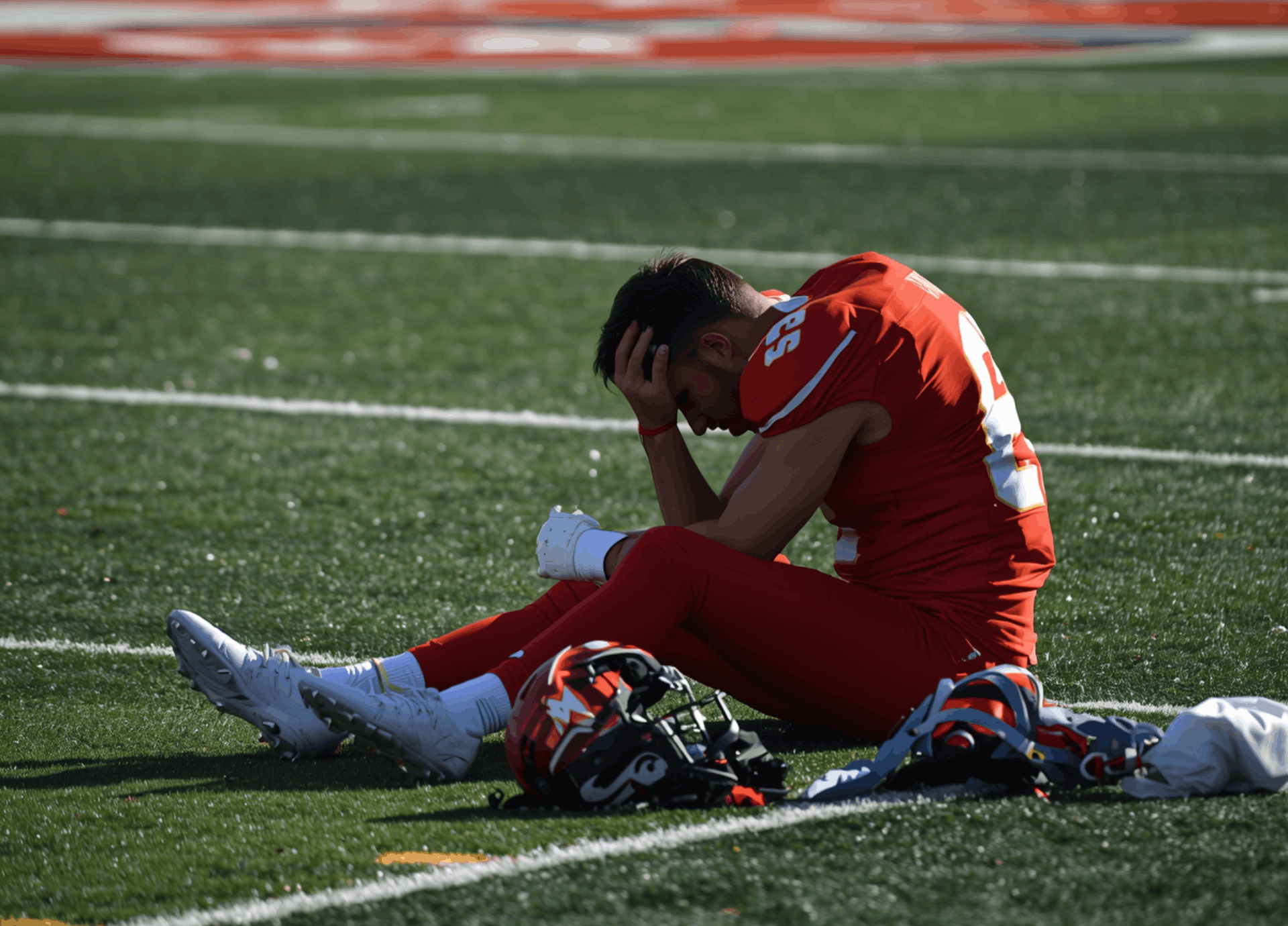
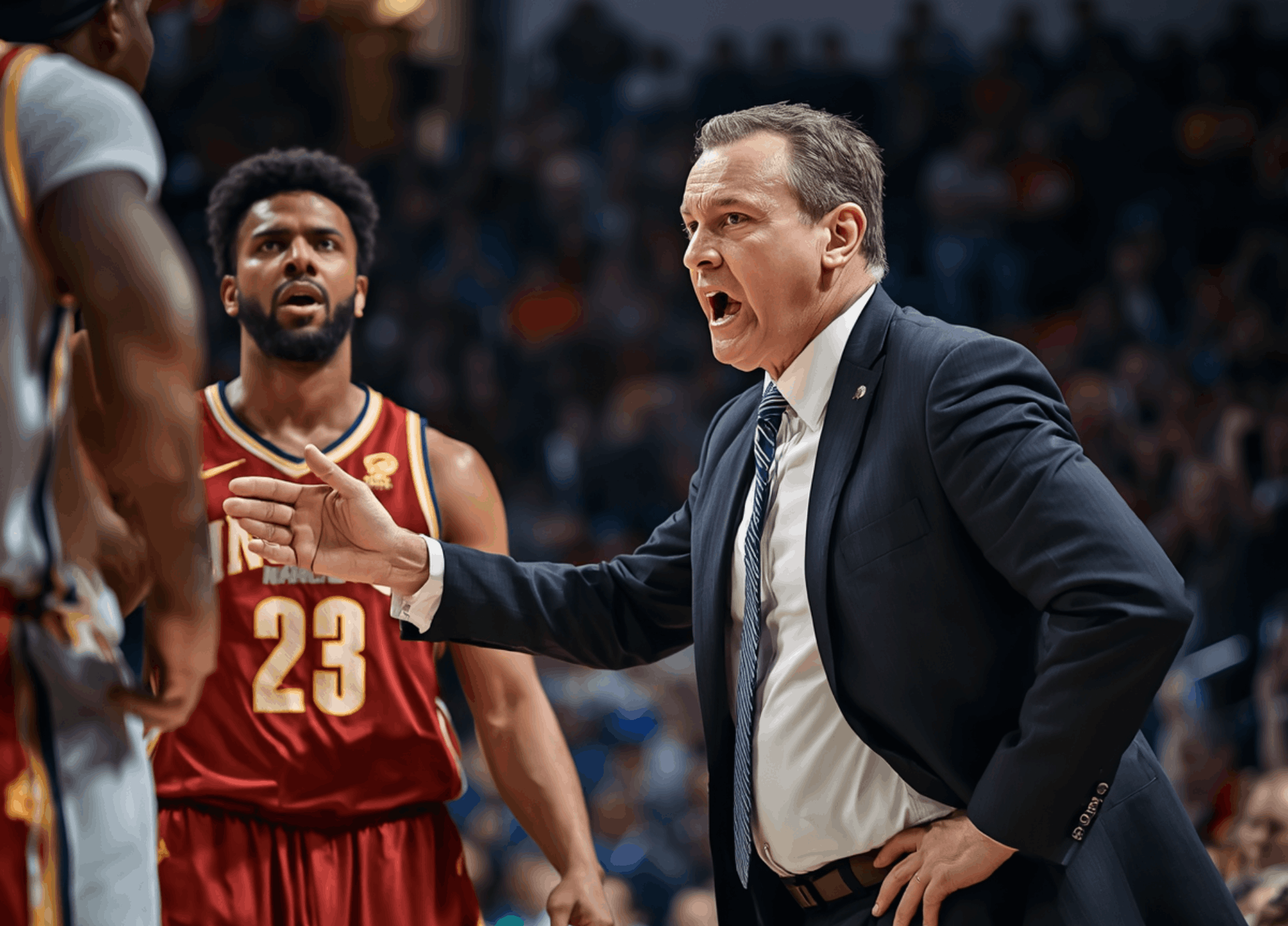
Want more confidence? Don’t just think it. Show it. Your body can lead your mind — if you train it to.
Posture Is Psychology
Athletes often try to fix mindset with thoughts. But the body speaks first.
Slouched shoulders. Downcast eyes. Tight fists. These are signals — to the brain and to everyone else.
Change the signal, and the brain adapts. That’s why posture is one of the fastest ways to influence confidence.
Emotional Control on Game Day: How to Stay Cool When It Counts
The Science of Body Cues
Studies show that confident postures — upright stance, open chest, focused gaze — trigger a cascade of psychological responses:
- Increased testosterone (dominance hormone)
- Decreased cortisol (stress hormone)
- Boosted self-perception
This is not about faking it. It’s about anchoring belief in the body.
The Confidence Posture Formula
1. Feet Grounded
Even stance. Stable base. Root yourself before you move.
2. Spine Tall
Not stiff — tall. Energy flows up. Shoulders roll back.
3. Eyes Forward
Look where you want to go. Not at the ground.
4. Breath Open
Inhale full. Exhale slow. Let the nervous system settle.
5. Cue Phrase (Optional)
Add a spoken anchor. Examples:
- “I’m ready.”
- “Let’s go.”
- “This is my space.”
Case Study: From Doubt to Presence
A basketball player in our program walked with slumped posture during team warm-ups. Coaches read it as low confidence — even when he felt fine.
We trained his new posture with cue words, mirror feedback, and video playback. Within a week, teammates noticed a shift. He became more vocal. Took more shots. And looked like a leader.
Coaching Tips
- Use posture check-ins during practice
- Mirror the athlete so they can see both versions
- Build posture resets into transitions (timeouts, drills, errors)
Final Thought: Confidence Starts in the Body
Before the brain catches up, the body leads. Athletes who train posture as part of mental prep build faster, stronger, more grounded confidence.
🔑 Learn How to Coach Confidence From the Ground Up
In the Sports Mental Coaching Certification, we show you how to use body-based tools that transform mindset and influence performance.