


The Difference Between Sport Psychologists and Mental Coaches
They both support athletes mentally — but in very different ways.
They both support athletes mentally — but in very different ways.

The clock is ticking. The score is even. This is the moment that defines teams — and coaches.
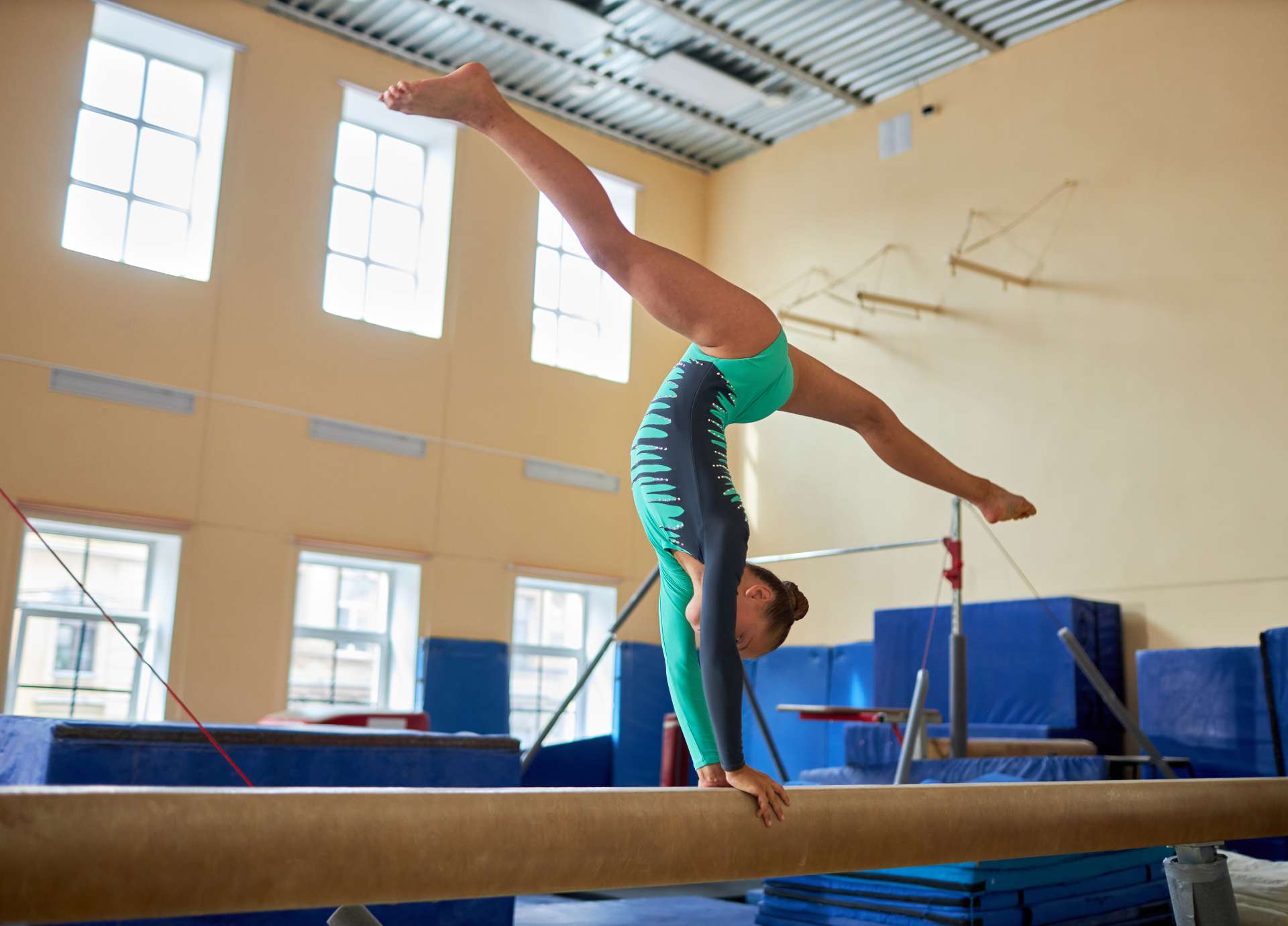
When a young athlete pushes too hard or never feels good enough, it’s time to step in — before burnout begins.
From quiet breakthroughs to career-changing shifts, these real coaching moments show why mental coaching is the edge athletes need.

You don’t need magic words to boost confidence — you need consistent, targeted actions. Here’s how great coaches do it.

Parent conversations don’t have to be stressful. Here’s how to lead with clarity, respect, and confidence — even in tough moments.

Mental strength isn’t just built on game day — it’s crafted in the everyday routines no one sees.

Great coaching isn’t just strategy — it’s mindset, presence, and leadership.

Injury recovery isn’t just physical — the mental battle is just as fierce.

When talent is high but results are low, the issue often isn’t physical — it’s mental.

Teenagers are not just mini-adults — their brains, motivations, and social dynamics require a different coaching approach.
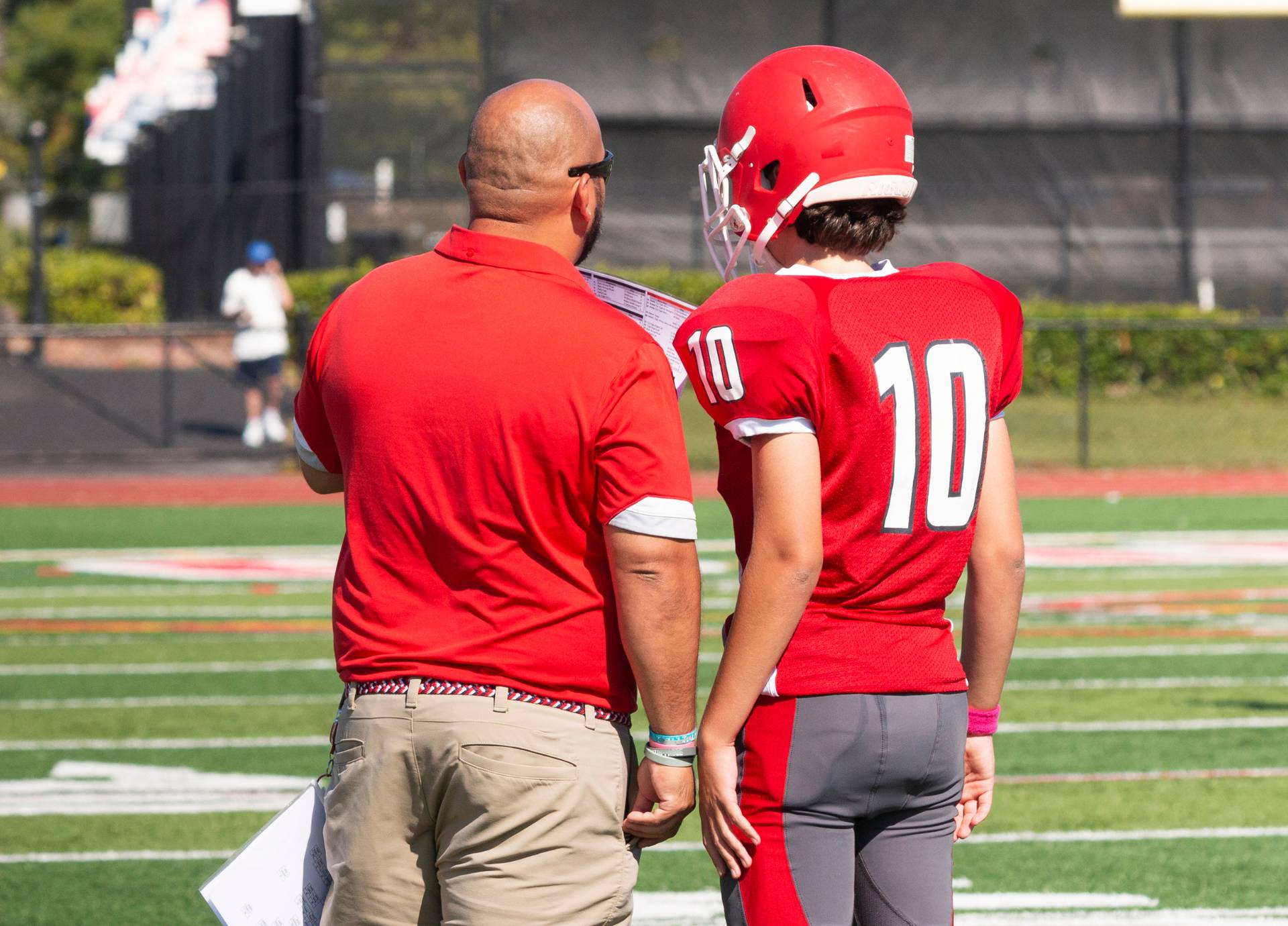
You don’t need a separate session to develop mental strength. You just need a smarter way to coach.