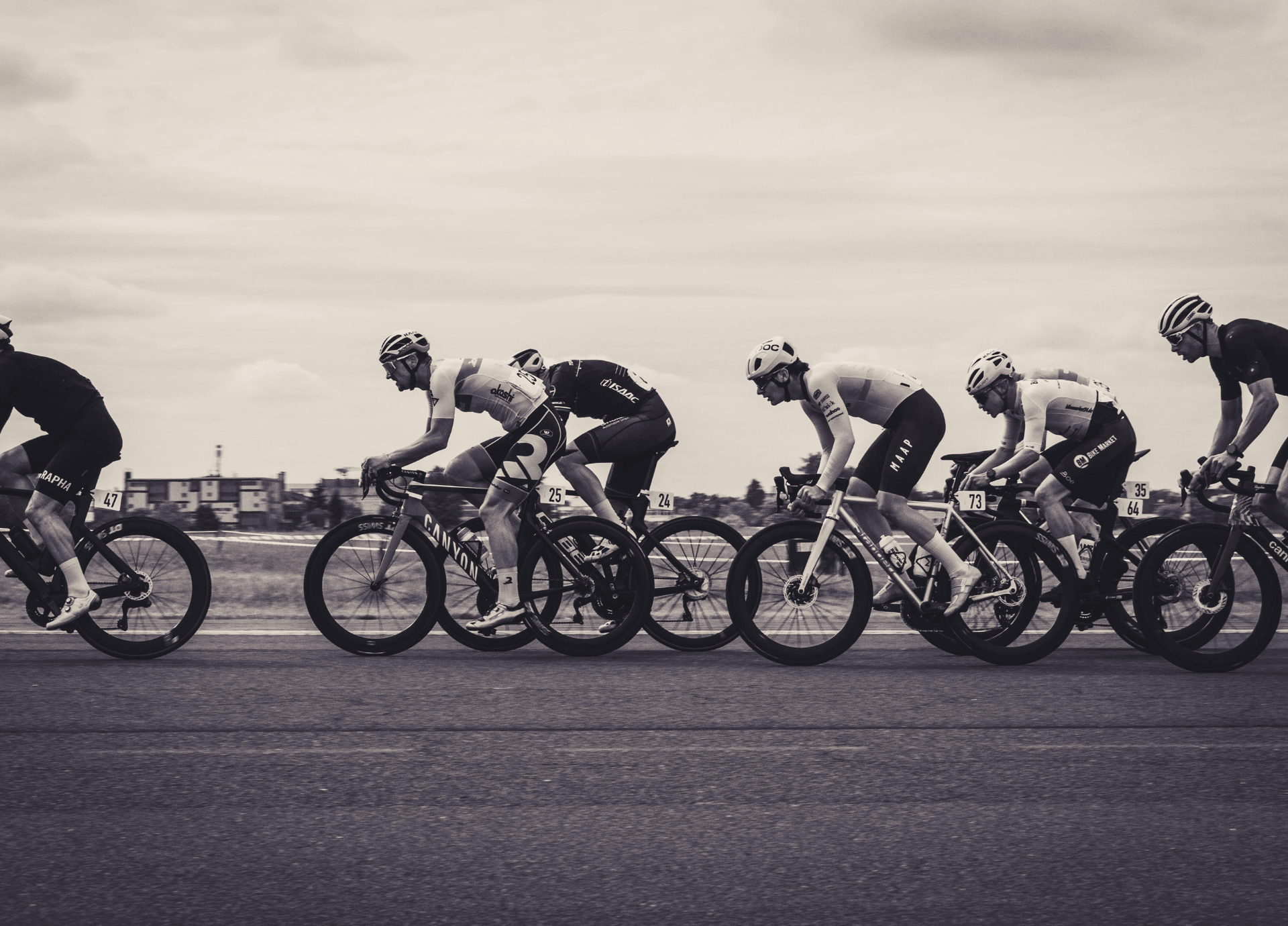
The crowd is roaring. Your thoughts race. Everything feels fast. That’s the moment your training kicks in — or your emotions take over. You need an anchor.
What Is a Mental Anchor?
A mental anchor is a short, repeatable phrase or image that brings you back to center.
It connects you to your process, not your panic.
It’s not about hype. It’s about grounding.
Silence the Inner Critic: One Mental Shift to Break Negative Loops
Why Anchors Work
Under stress, the brain goes into threat mode. Focus narrows. Breathing shortens. Reaction takes over.
Anchors interrupt this process. They:
- Create mental space
- Trigger a trained response
- Restore clarity and calm
How to Build a Personal Anchor
- Choose a Word or Phrase
Something that feels strong, clear, and personal.
Examples:
- “Calm core”
- “Play free”
- “Here now”
- Connect It to a Physical Cue
Touch your chest. Tap your leg. Breathe out.
Make it sensory so your body helps your brain. - Train It Under Pressure
Use it during:
- High-intensity drills
- Last reps
- Pressure simulations
Case Example: Anchored in the Storm
A sprinter in our coaching program struggled with last-minute nerves.
We created her anchor: “Fast and free.”
She repeated it in warm-up, in the blocks, and in her breath.
Her start times improved. Her pre-race anxiety dropped.
Coaching Tips
- Personalize the phrase — don’t copy-paste from others
- Train anchors into routine, not just game day
- Pair them with video review to deepen the mental link
Final Thought: Pressure Doesn’t Have to Shake You
When the moment gets loud, your anchor gets louder. Athletes who train mental anchors don’t just survive pressure — they own it.
Train the Mind, Not Just the Body: The Ritual That Builds Courage
🔑 Learn How to Build Anchors for Mental Stability
In the Sports Mental Coaching Certification, we teach you how to craft high-impact anchors that help athletes find calm and clarity when it matters most.