Introduction
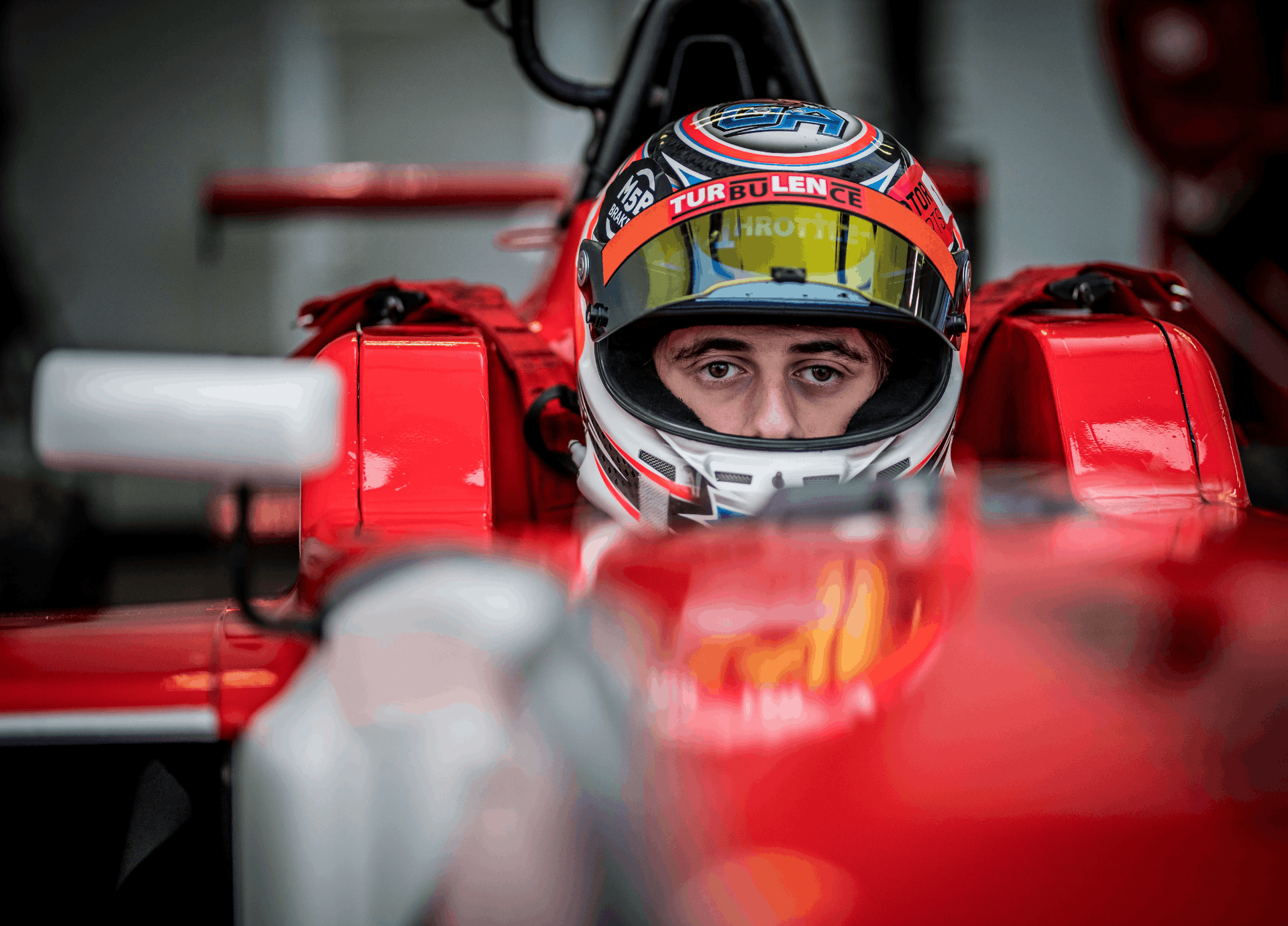
In cycling, pressure rarely arrives quietly. It builds over stages, accumulates with expectations, and peaks in decisive moments.
The athlete feels it on a mountain stage when the pace increases. In a time trial, every second matters. Or even at the start line, surrounded by noise, cameras, and internal expectations.
For many, this pressure tightens the body and clouds decision-making. Legs feel heavier. Thoughts become louder.
But some athletes experience the same pressure differently. Instead of resisting it, they use it. Not as a threat, but as fuel.
Where This Challenge Shows Up in Cycling
In a race like the Giro d’Italia, pressure is not a single moment; it’s a constant companion.
It shows up when:
- The athlete is expected to perform on a decisive climb
- A breakaway opportunity appears, but hesitation creeps in
- The athlete carries team responsibility in a crucial stage
- A previous mistake lingers mentally during the next race day
- The final kilometers demand risk, but fear suggests caution
In these moments, the body is ready, but the mind can either support or block performance.
Pressure often creates an internal conflict:
“I have to perform” versus “What if I fail?”
And this is where many athletes lose clarity.
A Simple Mental Shift
Pressure itself is not the problem.
The challenge lies in interpretation.
When the athlete sees pressure as a sign of danger, the body reacts defensively—tightness, hesitation, overthinking.
But when pressure is understood as a signal of importance, something changes.
The same elevated heart rate becomes readiness.
The same intensity becomes focus.
Instead of asking, “How do I get rid of this pressure?”
The athlete begins to think, “This means I’m exactly where I want to be.”
This shift does not remove pressure.
It changes the relationship to it.
A Real-World Example
Imagine a decisive mountain stage.
The athlete knows this is a defining moment. The team expects a strong performance. The legs feel good—but the mind is busy.
As the climb begins, the pace increases. The athlete feels the familiar sensation:
- Heart rate rising
- Breathing tightening
- Thoughts speeding up
One response would be resistance:
“This is too much. I can’t afford a mistake.”
Another response is different:
“This is it. This is what I prepared for.”
With that shift, the same intensity becomes usable.
The athlete stays present.
Decisions become clearer.
Effort is directed, not scattered.
Nothing external has changed.
But internally, everything has.
What Coaches and Athletes Can Take From This
Pressure in cycling cannot be avoided—especially not in stage races of this level.
What can be developed is the athlete’s response to it.
For the athlete:
- Notice how pressure shows up physically and mentally
- Recognize that these sensations are not inherently negative
- Avoid fighting the feeling—redirect attention instead
For the coach of the Kleinbeck Academy:
- Normalize pressure as part of performance
- Shift conversations away from “handling stress” toward “using intensity.”
- Help the athlete build familiarity with pressure in training environments
The goal is not to eliminate pressure.
The goal is to make it functional.
Because at the highest level, performance is not about comfort—it’s about clarity under intensity.
Key Takeaways
- Pressure is unavoidable in elite cycling, especially in stage races
- The athlete’s interpretation determines its impact
- Viewing pressure as a threat creates tension and hesitation
- Reframing pressure as importance unlocks focus and readiness
- Performance improves when intensity is accepted, not resisted
🚴♂️ Ready to Turn Pressure Into Performance?
Learn how to stay clear and composed when it matters most. Develop the mental skills to use pressure instead of fighting it.