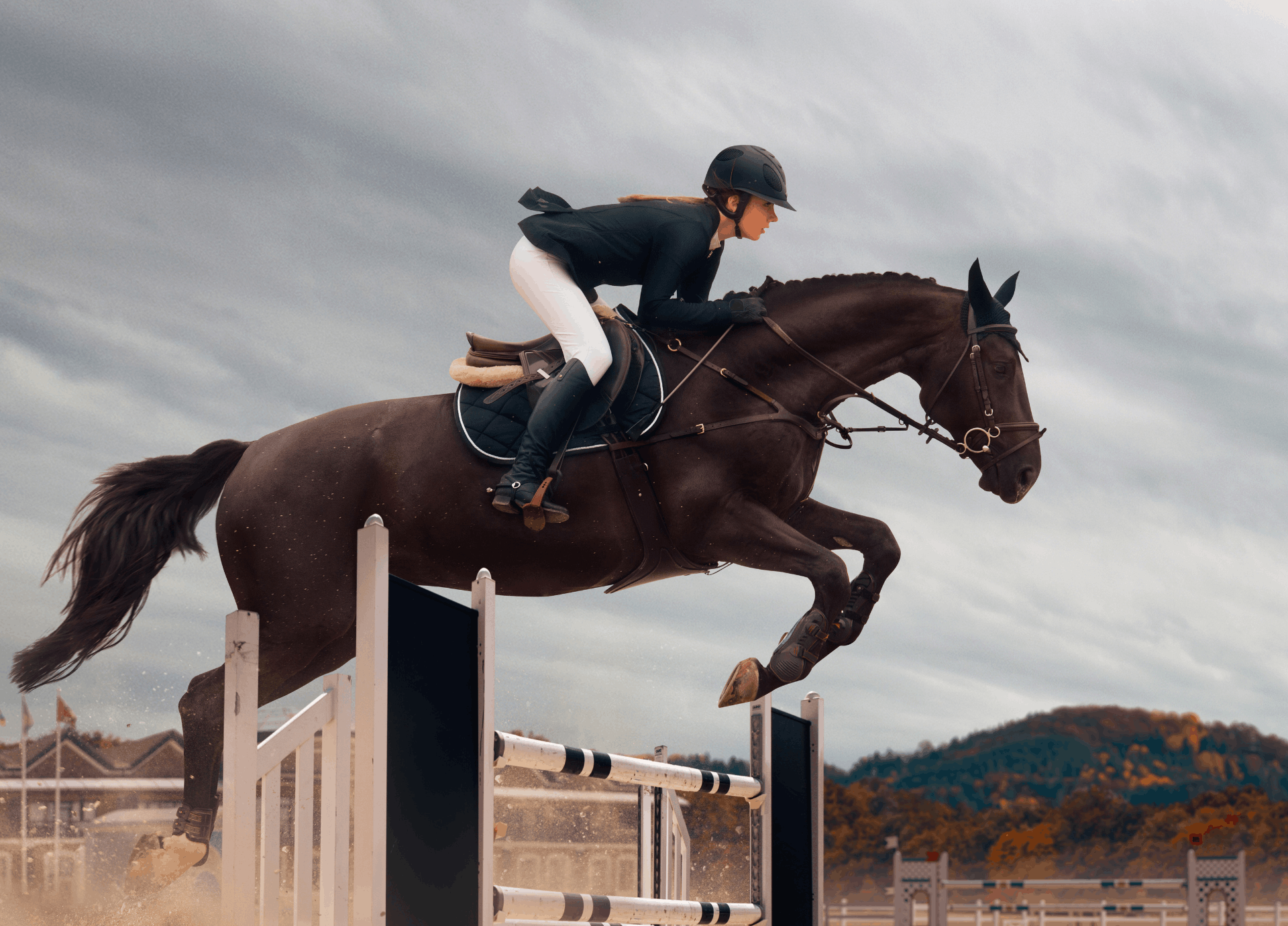
Im Tennis und vielen anderen Sportarten verschwindet Selbstvertrauen häufig genau dann, wenn es am meisten gebraucht wird – kurz vor den größten Momenten.
Einleitung
In den Tagen vor einem großen Event wie Roland Garros passiert häufig etwas Subtiles – aber gleichzeitig sehr Kraftvolles.
Der Athlet, der sich im Training noch fokussiert und selbstbewusst gefühlt hat, beginnt plötzlich, Dinge zu hinterfragen.
Das Timing fühlt sich leicht verändert an.
Kleine Fehler wirken plötzlich größer.
Gedanken werden lauter.
“Was, wenn ich nicht bereit bin?”
“Was, wenn ich es vermassle?”
Diese Veränderung bedeutet nicht, dass der Athlet Fähigkeiten verloren hat.
Sie bedeutet nicht, dass die Vorbereitung unzureichend war.
Sie bedeutet lediglich:
Der entscheidende Moment rückt näher.
Und genau dann beginnt bei vielen Athleten das Selbstvertrauen zu sinken.
Wo sich diese Herausforderung im Sport zeigt
Dieses Muster ist nicht auf Tennis beschränkt.
Es zeigt sich sportartenübergreifend – nur in unterschiedlicher Form.
Im Tennis tritt es häufig während der letzten Trainingseinheiten vor einem großen Turnier auf.
Der Spieler beginnt plötzlich, Fehler stärker wahrzunehmen als Rhythmus.
Im Fußball kann sich ein Athlet beim letzten Training vor einem wichtigen Spiel schwer und unsicher fühlen und Entscheidungen hinterfragen, die normalerweise selbstverständlich wirken.
In Einzelsportarten analysieren Athleten möglicherweise am Abend vor dem Wettkampf jede technische Kleinigkeit und spielen Situationen immer wieder im Kopf durch, anstatt ihrer Vorbereitung zu vertrauen.
Der gemeinsame Nenner lautet:
Je bedeutender ein Ereignis erscheint, desto stärker verschiebt sich Aufmerksamkeit von der Ausführung hin zum Ergebnis.
Statt:
“Ich weiß, wie ich das mache.”
entsteht innerlich:
“Das muss funktionieren.”
Diese kleine Veränderung erzeugt Druck.
Und Druck verändert Wahrnehmung.
Eine einfache mentale Veränderung
Selbstvertrauen verschwindet vor großen Wettkämpfen nicht einfach.
Es wird ersetzt.
Nicht durch Schwäche.
Sondern durch gesteigertes Bewusstsein.
Der Athlet wird sich stärker bewusst:
- Was auf dem Spiel steht
- Welche Erwartungen bestehen
- Welche Konsequenzen möglich sind
Und genau dieses Bewusstsein zieht Aufmerksamkeit weg von dem, was Selbstvertrauen eigentlich stärkt:
- Wiederholung
- Rhythmus
- Präsenz
Die entscheidende Veränderung lautet:
Vom Beweisen → zum Performen
Wenn Athleten versuchen, ihre Bereitschaft zu beweisen, fühlt sich jeder Fehler wie ein Beweis gegen sie an.
Wenn Athleten sich auf ihre Leistung konzentrieren, kehren Fehler an ihren natürlichen Platz zurück:
Sie werden Teil des Prozesses.
Selbstvertrauen ist nichts, das kurz vor dem Wettkampf neu aufgebaut werden muss.
Es ist etwas, das entsteht, wenn Aufmerksamkeit zu dem zurückkehrt, was bereits gut funktioniert.
Ein Praxisbeispiel
Ein Spieler reist nach Paris zu einem großen Sandplatzturnier.
Die Trainingswoche verläuft gut.
Die Bewegungen wirken stark.
Das Timing fühlt sich natürlich an.
Zwei Tage vor dem ersten Match verändert sich etwas.
Während einer Einheit entstehen einige unerzwungene Fehler.
Nichts Dramatisches.
Aber genug, um aufzufallen.
Der Spieler reagiert sofort:
“Warum verschlage ich diesen Ball jetzt?”
“Das sollte mir nicht passieren.”
Die nächste Einheit wird angespannter.
Der Spieler beginnt, den Ball zu kontrollieren statt frei zu spielen.
Mit jeder Übung sinkt das Gefühl von Selbstvertrauen.
Doch tatsächlich hat sich nichts Grundlegendes verändert.
Die Fähigkeiten des Spielers sind dieselben geblieben.
Verändert hat sich lediglich die Aufmerksamkeit.
Der Spieler wechselte von Vertrauen in bekannte Muster zu einer ständigen Bewertung jeder Handlung.
Und genau diese Bewertung erzeugte Spannung.
Was Coaches und Athleten daraus mitnehmen können
Für Athleten und Coaches der Kleinbeck Akademie ist die Phase vor Wettkämpfen kein Problem, das beseitigt werden muss.
Es ist eine Phase, die verstanden werden sollte.
Schwankendes Selbstvertrauen ist kein Zeichen schlechter Vorbereitung.
Es ist häufig ein Zeichen dafür, dass der Wettkampf Bedeutung hat.
Das Ziel ist nicht, Selbstvertrauen in den letzten Tagen vor dem Wettkampf „zu reparieren“.
Das Ziel ist, Klarheit zu schützen.
Das bedeutet:
- Unnötige Bewertungen reduzieren
- Routinen einfach und vertraut halten
- Kurzfristige technische Veränderungen vermeiden
- Das stärken, was bereits funktioniert
Für Athleten bedeutet dies:
Den Moment wahrzunehmen, ohne überzureagieren.
Für Coaches bedeutet es:
Stabilität zu schaffen, wenn Athleten Unsicherheit spüren.
Denn das größte Risiko vor einem Wettkampf ist nicht fehlendes Selbstvertrauen.
Es ist Überkorrektur.
Erkenntnisse auf einen Blick
- Selbstvertrauen sinkt vor großen Wettkämpfen häufig durch erhöhte Aufmerksamkeit – nicht durch fehlende Fähigkeiten
- Die Verschiebung von Ausführung hin zum Ergebnis erzeugt inneren Druck
- Das Überanalysieren kleiner Fehler verstärkt Zweifel
- Der Fokus auf vertraute Routinen stabilisiert Leistung
- Selbstvertrauen wird in den letzten Tagen vor einem Wettkampf nicht aufgebaut – sondern geschützt
⚡ Entwickle stabiles Selbstvertrauen unter Druck
Selbstvertrauen muss nicht verschwinden, wenn der Druck steigt.
Lerne, wie Athleten auch in entscheidenden Momenten mental stabil, fokussiert und leistungsfähig bleiben.