What Milos Raonic Teaches Us About Mental Growth in Elite Tennis
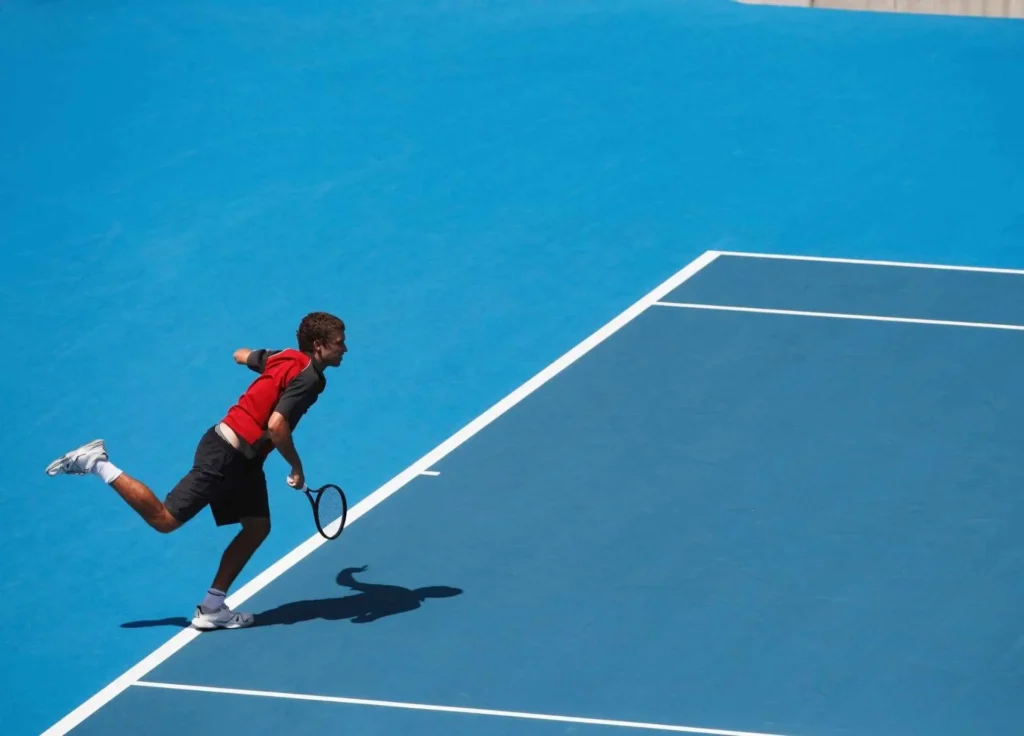
The difference between winning and almost winning at Wimbledon? Mental presence. Raonic’s story is a lesson in what’s possible when mental training meets self-awareness. The Turning Point in Raonic’s Rise In 2016, Milos Raonic delivered one of the best performances of his career — reaching the Wimbledon final, beating Federer in five sets, and demonstrating something even more powerful than his serve: emotional intelligence. His team already included nutritionists, physios, and a mental coach — long before he could “afford” them. Raonic’s mindset was simple: invest in excellence, even before the world sees your potential. He brought in Carlos Moya to refine his tactics, and later John McEnroe to sharpen his mental edge. How Henrik Stenson Mentally Outplayed the Field to Win Big Emotions: Suppress or Channel? McEnroe’s insight was profound: “He’s losing energy trying to suppress emotions instead of using them.” Raonic admitted: big moments used to pass him by. He’d get nervous — and retreat into a shell. With the right coaching, he flipped the script: Pressure became a sign of readiness Nerves turned into focused aggression Presence replaced perfectionism In his own words: “Mental was definitely the best part of my game that day. I gave Federer no sense that he had me — even when I wasn’t playing well.” This is elite mindset training in action. What Coaches and Athletes Can Learn Raonic didn’t become a different person — he became more himself. Mental strength doesn’t mean being loud, hyped, or overly confident. It means: Knowing your own emotional patterns Using every feeling to fuel performance Staying present, especially when things aren’t perfect This is the level of mindset work that separates contenders from champions. Study the Pattern: A Case for Mental Coaching Every coach and athlete can learn from this: Invest in the inner game early — don’t wait for breakdowns. Personalize mental strategies — what works for one won’t work for all. Build a full-spectrum support system — mental, tactical, physical, emotional. Raonic didn’t win the Grand Slam that year, but he won something even greater: the self-belief that he could. That inner certainty often precedes the outer victory. Are You and Your Athletes Ready for That Kind of Growth? The techniques exist. The shift is possible. And it begins with one decision — to train the mind as fiercely as the body. What Can We Learn from Roger Federer? Ready to Go Deeper? Let’s Talk. Whether you’re an athlete chasing your next level, a coach building a winning culture, or a leader applying mental performance to business — it starts with one conversation. Book a free call with Christoph Kleinbeck and let’s explore what’s possible. 👉 Click here to choose your time
Copy and paste this URL into your WordPress site to embed
Copy and paste this code into your site to embed